The Benefits of Using a Fish Finder: Why No Angler Should Be Without One
The introduction of a fish finder has transformed how anglers conduct their fishing activities. This device offers critical insights into fish locations and underwater landscapes, making it an essential tool for both novices and seasoned fishermen. Recognizing its benefits can greatly alter fishing strategies. However, some continue to ignore critical aspects that improve its effectiveness. Exploring these aspects reveals why a fish finder is essential to anyone dedicated to improving their catch.
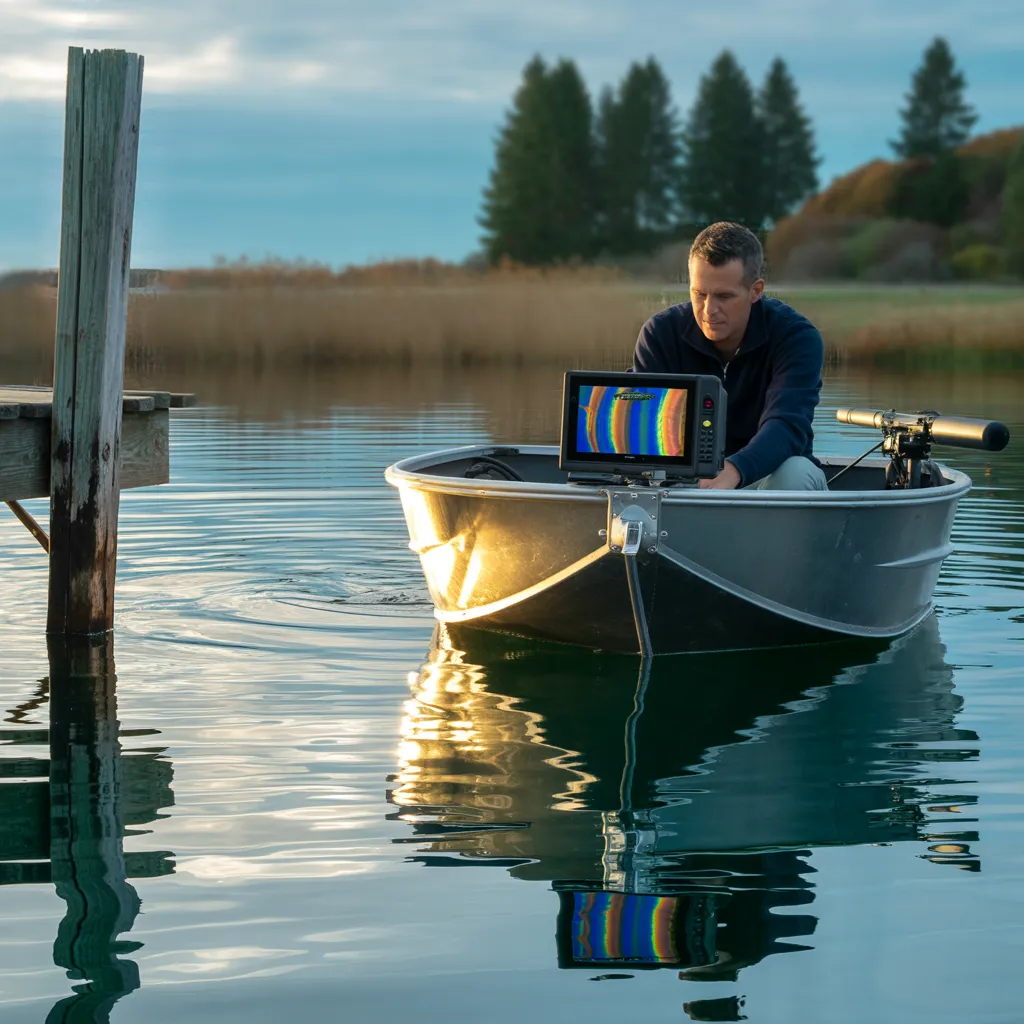
Getting to Know What a Fish Finder Is
A fish finder is a cutting-edge tool that utilizes sonar technology to identify fish below the water. By sending out sound waves and interpreting their return signals, this technology can identify the existence, depth, and scale of fish, as well as subsurface elements including rocks and aquatic vegetation. Fishermen take advantage of real-time data, allowing them to make informed decisions about where to cast their lines. This advancement boosts fishing productivity, reducing the time spent searching for fish.
Fish finders feature a range of features, including GPS capabilities and mapping functions, which further aid in navigating and monitoring locations. Comprehending the functionality of a fish finder can greatly improve a fisherman's overall experience, ensuring it becomes less about luck and more about strategic planning. Ultimately, this tool converts fishing into a far more efficient and satisfying pursuit, resonating with both new and veteran fishermen alike.
Different Fish Finder Types Available
Various types of fish finders cater to different fishing needs and preferences. Portable fish finders provide versatility for fishermen who are always on the move, while fixed mount models offer reliable performance for committed boaters. Additionally, smartphone fish finder apps bring convenience and accessibility to fishing enthusiasts.
Portable Fish Finders
There are several types of portable fish finders, each designed to cater to specific fishing needs and environments. These units differ in their features, including sonar technology and display choices. Notable types include handheld models, which are compact and easy to carry, making them perfect for shore fishing or kayaking excursions. Others are wireless models that connect to smartphones, delivering practicality and a straightforward user experience. Additionally, there are castable fish finders that allow anglers to cast the device into the water, supplying up-to-date details on fish positioning. All types of portable fish finders deliver their own set of benefits, guaranteeing that anglers can find a model that elevates their fishing adventures, irrespective of the location or approach taken.
Stationary Mount Fish Finders
Fixed mount fishfinders provide a longer-lasting solution for anglers in search of sophisticated technology and superior features. These units are commonly installed on the boat, ensuring stability and consistent performance in different conditions. They are fitted with wider screens, high-resolution imaging, and advanced sonar capabilities, enabling precise underwater mapping and fish detection. Numerous fixed mount units also support multiple frequencies, which can improve their performance in different water types and depths. Moreover, they commonly work alongside various marine electronics, providing an extensive navigational and fishing experience. For dedicated anglers who spend extended periods on the water, a fixed mount fish finder can greatly improve their capability to find and target fish with precision.
Phone-Based Fish Finder Applications
With the ongoing evolution of technology, many anglers are turning to mobile fish finder applications to find a practical and easy way to enhance their fishing experience. These apps utilize advanced GPS and sonar capabilities to help users locate fish more effectively. Such applications generally provide features including instant depth data, information on water temperature, and detailed fish species identification.
A number of apps interface with compact sonar equipment, while others utilize the smartphone's integrated sensors to supply essential details. Several also offer mapping capabilities, enabling fishermen to tag favorite fishing spots. Featuring easy-to-navigate interfaces, these apps are ideal for beginners and seasoned anglers alike seeking to improve their catch rates without relying on heavy-duty equipment.
Critical Features to Keep in Mind When Selecting a Fish Finder
When choosing a fish finder, two essential aspects to assess are display quality and size, as well as sonar technology options. The display's clarity and dimensions can significantly affect usability, enabling more straightforward data interpretation. Moreover, learning about the range of sonar technologies offered can elevate your time on the water by providing more accurate underwater information.
Display Quality and Size
The display quality and size of a fish finder play a vital role in improving the overall fishing experience, as they significantly influence visibility and ease of use. A high-resolution display delivers sharper images of underwater structures and fish, helping anglers make better-informed choices. Larger displays can show more information simultaneously, decreasing the necessity for repeated scrolling or zooming. Brightness and contrast are equally important; they guarantee visibility in various lighting conditions, from intense sunlight to low-light settings. Additionally, touchscreen capabilities can streamline navigation, enabling users to quickly and effortlessly access key features. In the end, choosing a fish finder with excellent display quality and size greatly enhances efficiency and enjoyment on fishing trips, enhancing overall success on the water.
Sonar Tech Solutions
A fish finder's performance goes beyond screen quality and depends heavily on the sonar technology it uses. Those who fish should take into account various sonar alternatives, including traditional 2D sonar, which offers basic depth and structure readings, and sophisticated technologies such as CHIRP (Compressed High-Intensity Radiated Pulse). CHIRP sonar delivers improved target separation and precision, simplifying the process of spotting fish. Moreover, down imaging and side imaging sonar supply in-depth visuals of underwater structures, refining fishing techniques. Another essential factor is frequency; higher frequencies deliver better detail in shallow waters, while lower frequencies penetrate deeper. In the end, choosing the appropriate sonar technology significantly influences an angler's achievements, allowing them to find fish with greater efficiency and make the most of their time on the water.
Enhance Your Fishing Experience With Fish Finders
How can anglers greatly enhance their fishing success? By incorporating fish finders into their fishing arsenal, they can considerably increase their odds of a successful trip. Fish finders employ sonar technology to identify underwater formations and fish positions, delivering important data that standard fishing approaches could fail to capture. This feature enables anglers to pinpoint prime locations where fish are consistently active, consequently cutting down the time invested in finding ideal fishing locations.
Moreover, fishing electronics can display depth, water temperature, and clarity, which are vital considerations determining fish behavior. With this data at their command, fishing enthusiasts can better determine about fishing methods and bait choices. Furthermore, many modern fish finders offer GPS features, empowering users to save productive spots for subsequent fishing adventures. By leveraging these advanced tools, fishing enthusiasts can optimize their strategies and check article significantly improve their catch rates, elevating a routine outing into a fulfilling endeavor.
How to Make the Most of Your Fish Finder
Optimizing the performance of a fish finder requires understanding its features and settings. Fishermen should become well acquainted with sonar types, such as traditional and CHIRP, as each provides distinct benefits for locating fish and underwater structures. Fine-tuning sensitivity and depth range can significantly improve image clarity, enabling more accurate reading of the displayed data.
Furthermore, employing the fish finder's navigation tools can help identify productive fishing areas by logging waypoints and following previously fruitful areas. Routinely refreshing the system's software guarantees access to the current capabilities and refinements.
It is also essential to interpret the screen effectively, differentiating between fish, bait, and underwater structure. Practicing with the device in various environments will build confidence and skill. By integrating these strategies, fishermen can significantly enhance their overall fishing experience, resulting in more productive trips and increased enjoyment on the water.
Common Pitfalls to Avoid When Using a Fish Finder
Many anglers make common mistakes when using a fish finder that can impede their success on the water. One common mistake is not properly setting the sensitivity settings. If the sensitivity is too low, important signals may be missed; if set too high, interference can mask important readings. Moreover, neglecting to understand the display can result in inaccurate data analysis. Anglers often overlook the significance of choosing the correct frequency setting for their specific fishing conditions, which can considerably influence results.
One other frequent error includes failing to regularly update the fish finder's software, thereby risking the loss of valuable improvements or bug fixes. Finally, numerous anglers neglect to use the built-in mapping capabilities of the fish finder, which can provide valuable insights into underwater structures and depths. By sidestepping these common pitfalls, anglers can fully optimize the performance of their fish finders, leading to a more productive fishing experience.
Fixing Typical Fish Finder Issues
What steps should a fisherman take when their fish finder produces unreliable results? First, they should inspect the sonar transducer, confirming it is correctly installed and unobstructed. An improperly positioned or unclean transducer can cause faulty information to be displayed. After that, the fishing enthusiast should verify the settings, including depth range and sensitivity, as wrong configurations may cause inaccurate measurements. Furthermore, evaluating the power connection is important; poor connections or a low battery can lead to inconsistent functionality.
When problems persist, updating the device's software could address bugs that affect functionality. Additionally, inspecting for interference caused by other electronic devices, such as radios or motors, is important; this type of interference can compromise signals and generate unreliable information. To conclude, consulting the user manual or contacting customer support can provide additional guidance on persistent problems. By methodically addressing each of these areas, anglers can improve their fish finder's reliability and enhance their fishing experience overall.
Questions We Often Receive
Is a Fish Finder Capable of Functioning in Saltwater Environments?
Yes, a fish finder can work effectively in ocean environments. Many models are specifically designed for such environments, utilizing innovative technology to discover fish and aquatic structures, enhancing the fishing experience for anglers in diverse marine settings.
How Precise Are Fish Finders at Locating Fish?
Fish finders are typically reliable in their ability to detect fish, often identifying their size and depth. That said, accuracy may fluctuate depending on factors like water conditions, sonar technology, and the user's experience with the device.
Do Fish Finders Require Regular Software Updates?
Fishfinders generally need periodic software updates to boost functionality and improve accuracy. Producers frequently release updates that resolve bugs, include new features, and enhance performance, helping users access the latest technology available.
Can I Use a Fish Finder From Shore?
Absolutely, a fish finder works well from shore, so long as it features the required range and specifications. Bank fishers frequently take advantage of these instruments, strengthening their power to detect fish in nearby waters efficiently.
How Long Does a Fish Finder Typically Last?
The typical lifespan of a fish finder generally falls between three and five years, depending on usage, maintenance, and environmental conditions. Consistent upkeep and correct storage can considerably prolong the unit's functionality and reliability.